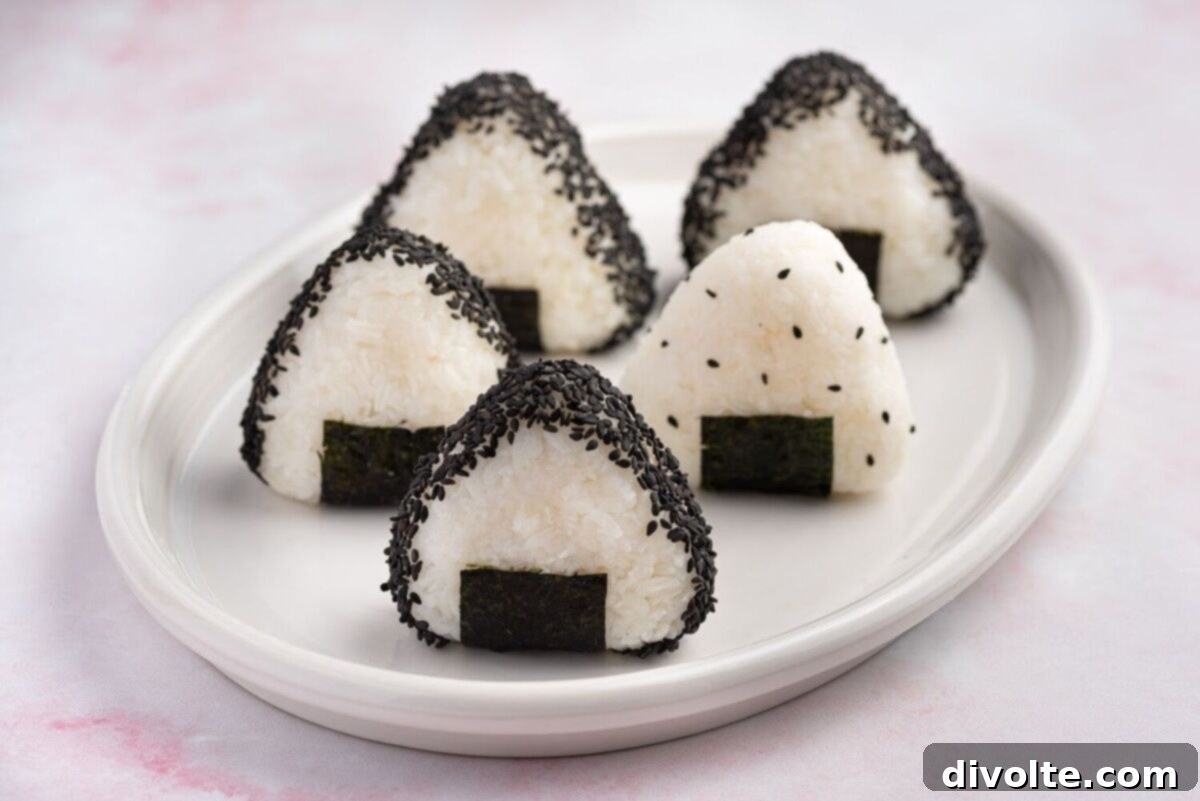
Homemade Onigiri: Easy Japanese Rice Balls for Delicious Meals and Snacks
Onigiri, often affectionately called Japanese rice balls, stand as a cornerstone of Japanese comfort food, celebrated for their simplicity, versatility, and delightful taste. These charming handheld treats are far more than just a snack; they are a cultural icon, perfect for any occasion. Whether packed into a bento box for a school lunch, enjoyed as a quick and nourishing bite during a busy workday, or savored as a convenient meal on a picnic, onigiri consistently deliver satisfaction. Their beauty lies in their adaptability, allowing for an endless array of fillings and seasonings to perfectly match individual taste preferences and dietary needs. Learning to make onigiri at home is a rewarding experience, opening up a world of culinary creativity right in your kitchen.
While the basic concept is straightforward – seasoned rice shaped around a filling and often wrapped in nori seaweed – the nuances of preparation can elevate a simple rice ball into a culinary masterpiece. This guide will walk you through everything you need to know, from selecting the right ingredients to mastering the shaping technique, and even suggesting delicious pairings and clever time-saving tips. Get ready to embark on a flavorful journey and create your own perfect Japanese rice balls.
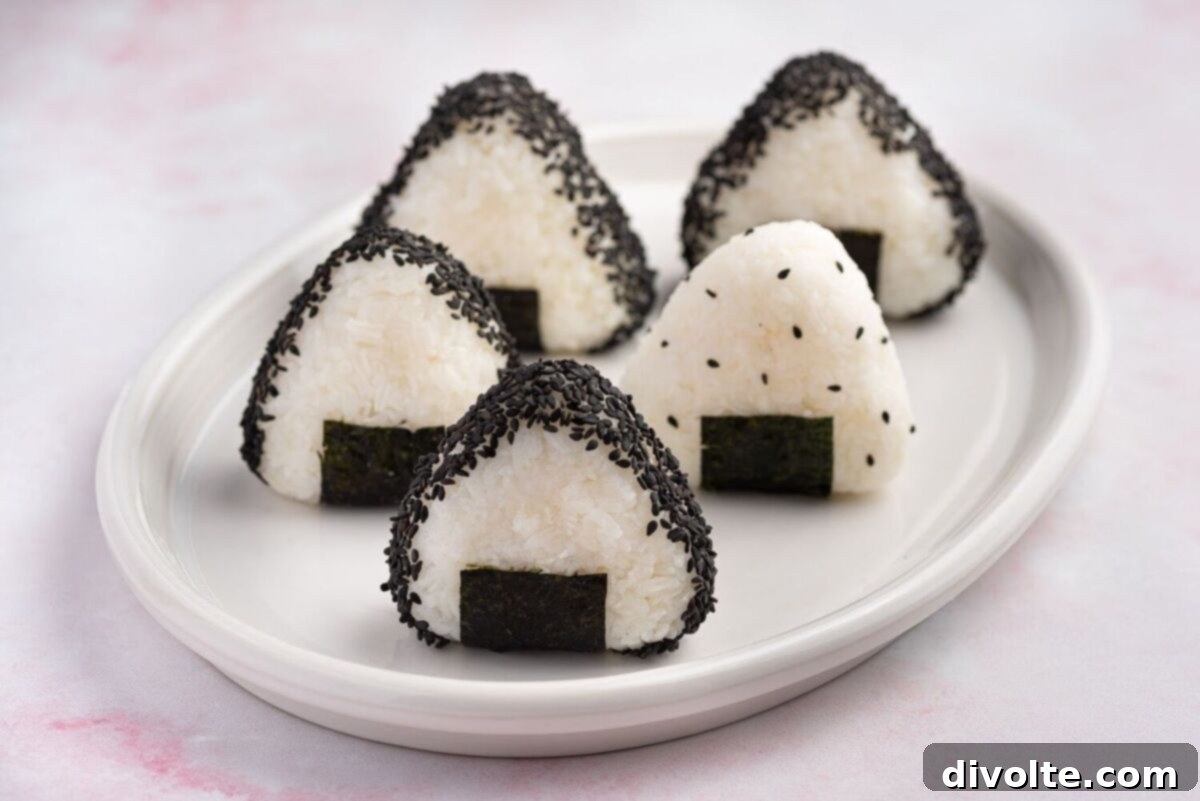
Essential Ingredients for Authentic Onigiri Japanese Rice Balls
Crafting delicious onigiri begins with a selection of key ingredients, some of which are staples in Japanese cuisine. While many can be found at your local grocery store, a visit to an Asian supermarket might be necessary for the best results, especially for specific types of rice and nori.
Japanese short-grain rice: This is the undeniable star of onigiri. Its unique characteristic is its high starch content and sticky texture when cooked, which is absolutely critical for the rice balls to hold their shape without crumbling. Unlike long-grain rice, which tends to be fluffy and separate, short-grain varieties like Koshihikari or Calrose will clump together beautifully. Always rinse your rice thoroughly before cooking to remove excess starch, ensuring a clean flavor and perfect stickiness.
Water: The unsung hero, water is used to cook the rice to its ideal consistency. The precise ratio of water to rice is crucial for achieving that signature tender yet firm texture. Too much water results in mushy rice, while too little leaves it dry and difficult to shape.
Salt: More than just a seasoning, salt plays a dual role in onigiri making. It enhances the subtle flavor of the rice, but perhaps more importantly, it’s used to salt your hands during shaping. This prevents the sticky rice from clinging to your fingers, making the process much smoother and ensuring an even distribution of flavor on the rice ball’s surface.
Nori: These thin sheets of dried seaweed are synonymous with onigiri. Nori provides a delightful savory, umami flavor and a pleasant crisp texture that contrasts with the soft rice. It also serves a practical purpose, offering a clean, convenient handle for eating. Nori sheets should be cut into strips before wrapping. Look for good quality, dark green, slightly glossy nori for the best taste and aesthetic.
Filling of choice: This is where the true customization and fun come in! Onigiri fillings are incredibly diverse, allowing for endless creativity. Popular traditional options include savory seasoned tuna (often mixed with mayonnaise), flaky grilled or baked salmon, and the distinctively tart and salty pickled plum (umeboshi). Other fantastic choices include teriyaki chicken, katsuobushi (bonito flakes) mixed with soy sauce, or even vegetarian options like pickled radish or avocado. The key is to choose fillings that are not overly wet, as this can make the rice ball unstable and soggy.
Mastering the Art: Technique Tips for Making Perfect Onigiri
Making onigiri is a simple pleasure, but a few key techniques can turn a good rice ball into a great one. The most critical aspect is handling the rice correctly. Firstly, always make sure your hands are sufficiently wet. Keep a small bowl of water nearby and dip your hands frequently. This creates a barrier between your skin and the sticky rice, making it much easier to handle and shape. Alongside wetting your hands, sprinkling a pinch of salt onto your palms before shaping is essential. This not only further aids in preventing sticking but also evenly seasons the exterior of the onigiri, delivering a burst of flavor with every bite.
When it comes to forming the shape, a gentle yet firm touch is required. You want the rice to be compact enough to hold together, but not so tightly packed that it becomes dense and unappetizing. Common shapes include triangles, cylinders, or simple spheres. If aiming for a triangle, use your index fingers and thumbs to create the angles, rotating the rice ball as you apply light pressure. For an easier approach or more uniform shapes, consider using an onigiri mold.
The filling is the heart of your onigiri, and its placement is crucial. After forming a basic cup shape with a handful of rice, make a small indentation in the center. Place a compact amount of your chosen filling into this space. The cardinal rule here is not to overstuff. Too much filling will make it difficult to seal the rice ball, causing it to fall apart easily. Cover the filling with a bit more rice and then gently reshape the onigiri, ensuring the filling is completely enclosed. This technique ensures that each rice ball maintains its structural integrity and is enjoyable to eat.
Perfect Pairings: Suggested Side Dishes for Onigiri
Creative Kitchen: Alternative Ingredients for Onigiri
While traditional ingredients are often best, sometimes a little improvisation is necessary or desired. Here are some excellent substitutes that can help you create delicious onigiri with ingredients you might already have or prefer:
-
Japanese short-grain rice – Substitute with sushi rice: Sushi rice is essentially the same as Japanese short-grain rice, specifically cultivated and processed for its ideal sticky texture. It will work perfectly for onigiri and often comes with instructions for cooking, ensuring excellent results.
-
Japanese short-grain rice – Substitute with arborio rice: Arborio rice, famous for its use in risotto, possesses a similar high-starch content that yields a creamy and sticky texture when cooked. While the flavor profile is slightly different, it can adequately help the onigiri hold its shape in a pinch.
-
Water – Substitute with dashi broth: To infuse your rice with a deeper layer of authentic Japanese flavor, consider cooking it with dashi broth instead of plain water. Dashi, a fundamental Japanese stock, adds a rich umami taste that will elevate your onigiri significantly. You can use instant dashi granules for convenience.
-
Salt – Substitute with soy sauce: While salt is used primarily for shaping and basic seasoning, a light brush of soy sauce (diluted with water if desired) on your hands can also prevent sticking and impart a more pronounced savory, umami flavor to the outer layer of the onigiri.
-
Nori – Substitute with rice paper: For a different aesthetic and texture, or if you don’t have nori, thinly hydrated rice paper wraps can be used. They offer a chewy, translucent casing that still holds the onigiri together, albeit with a milder flavor.
-
Nori – Substitute with shiso leaves: For a fresh, aromatic, and slightly peppery alternative, wrap your onigiri in vibrant shiso leaves. These Japanese herbs add a unique herbal note that pairs wonderfully with various fillings, particularly those with seafood.
-
Tuna – Substitute with canned chicken: If tuna isn’t available or preferred, canned chicken can be a great substitute. Shred it and mix with mayonnaise, a touch of soy sauce, and a sprinkle of black pepper to achieve a similar creamy, savory filling texture and flavor profile.
-
Salmon – Substitute with smoked trout: For a richer, smoky flavor with a similar flaky texture to cooked salmon, smoked trout is an excellent alternative. Flake it gently and use it as a robust filling. Cooked mackerel or other flaky white fish could also work well.
-
Pickled plum (Umeboshi) – Substitute with pickled radish: While challenging to replicate umeboshi‘s unique tartness, finely chopped pickled radish (like daikon or even kimchi for a Korean twist) can offer a satisfying tangy, salty, and crunchy element that brightens the onigiri.
Beyond Onigiri: Other Amazing Japanese-Inspired Recipes to Try
If you’ve enjoyed the simplicity and deliciousness of onigiri, you might be keen to explore other delightful Japanese dishes or Asian-inspired recipes that share similar flavors or culinary principles. Here are some fantastic alternatives that will broaden your home cooking repertoire:
Preserving Freshness: How to Store and Freeze Onigiri
Proper storage is crucial for maintaining the texture and flavor of your homemade onigiri. Follow these guidelines to keep your rice balls fresh and delicious, whether for a day or for longer-term storage.
- Allow the onigiri to cool completely to room temperature before storing. Wrapping them while still warm can create condensation, which makes the rice soggy and can lead to faster spoilage.
- Once cooled, wrap each rice ball individually and tightly in plastic wrap. This is a critical step to prevent them from drying out, absorbing refrigerator odors, and maintaining their optimal texture.
- Place the individually wrapped onigiri in an airtight container. This provides an additional layer of protection against moisture loss and keeps them fresh.
- Store the onigiri in the refrigerator for up to 2 days. For the best taste and texture, it is highly recommended to consume them within this timeframe. The rice can harden and dry out over longer periods in the fridge.
- To freeze onigiri for extended storage, ensure each rice ball is wrapped tightly in plastic wrap. Then, place them in a freezer-safe bag (removing as much air as possible) or a rigid freezer-safe container. This double layer helps to prevent freezer burn and preserves the rice’s quality.
- Label the bag or container with the date of freezing. This will help you keep track of storage duration and ensure you use them within their optimal period.
- You can freeze onigiri for up to one month. Beyond this, the texture of the rice may start to degrade, becoming less desirable upon thawing.
- When you’re ready to enjoy frozen onigiri, the best method for thawing is to transfer them to the refrigerator overnight. Slow thawing helps the rice retain its moisture and texture more effectively.
- For a quicker thaw, you can gently microwave the onigiri. Always remember to remove the plastic wrap before microwaving. Heat on a low setting for short intervals, checking frequently until just thawed or slightly warm.
- If you prefer warm onigiri, reheat them in the microwave on a low to medium setting until they are heated through. Be cautious not to overheat, as this can make the rice too soft or even mushy.
Bringing Back the Warmth: How to Reheat Onigiri Leftovers
Even if they’ve been stored, onigiri can be deliciously re-energized. The goal is to warm the rice through without drying it out or making it overly soft. Here are several effective methods to reheat your leftover onigiri, ensuring they taste as good as freshly made.
-
Microwave method: The quickest option for a soft texture.
- Place the onigiri on a microwave-safe plate.
- Crucially, cover it with a slightly damp paper towel. This creates a steamy environment, preventing the rice from drying out and becoming hard.
- Microwave on medium power for 30-60 seconds. Start with 30 seconds, then check and continue heating in 15-second increments until it’s warmed evenly to your liking. Overheating will make the rice tough or mushy.
-
Steaming method: Ideal for a moist, tender result.
- Place a steamer basket over a pot of gently boiling water, ensuring the water does not touch the bottom of the basket.
- Arrange the onigiri in the steamer basket, leaving a little space between them for even heating.
- Cover the pot and steam for 5-7 minutes, or until the rice balls are heated thoroughly and feel soft and plump. This method is excellent for restoring moisture.
-
Pan-frying method: For a delightful crispy exterior.
- Heat a non-stick skillet over medium heat and add a small amount of vegetable oil or sesame oil.
- Carefully place the onigiri in the skillet. Cook for 2-3 minutes on each side, turning gently, until the exterior is golden brown and crispy, and the inside is heated through.
- For an extra layer of flavor, you can optionally brush the warmed onigiri with a touch of soy sauce or teriyaki glaze during the last minute of cooking.
-
Oven method: Good for heating multiple onigiri or for a slightly firmer texture.
- Preheat your oven to 350°F (175°C).
- Wrap each onigiri snugly in aluminum foil. This helps to retain moisture and prevents the rice from drying out in the oven.
- Place them on a baking sheet and heat for 10-15 minutes, or until thoroughly warmed. Check one to ensure the center is hot.
Equipping Your Kitchen: Best Tools for Making Onigiri
While onigiri can be made with just your hands, having the right tools can make the process more efficient, hygienic, and even more enjoyable. Here’s a list of essential and helpful tools for crafting perfect onigiri:
-
Rice cooker: An absolute game-changer for consistently perfect Japanese short-grain rice. It takes the guesswork out of cooking and keeps the rice warm until you’re ready to shape it.
-
Measuring cups and spoons: Essential for precise measurements of rice and water, which is vital for achieving the desired sticky texture.
-
Strainer/Colander: Used for thoroughly rinsing the rice under cold running water. Rinsing removes excess starch, leading to better texture and flavor in your cooked rice.
-
Large mixing bowl: Useful for soaking and rinsing the rice before cooking, and for lightly seasoning the cooked rice if desired.
-
Wooden spoon or rice paddle: Ideal for gently fluffing the cooked rice without crushing the grains, and for transferring it to your shaping station.
-
Cutting board: Provides a stable and hygienic surface for preparing your fillings and cutting nori sheets.
-
Sharp knife or kitchen scissors: Necessary for neatly cutting the nori sheets into strips or decorative shapes to wrap around your onigiri.
-
Small bowl of water: Absolutely essential for wetting your hands. Keeping your hands wet prevents the sticky rice from adhering to your skin during the shaping process.
-
Salt shaker: For sprinkling a pinch of salt onto your wet hands. This adds seasoning to the exterior of the onigiri and further aids in preventing sticking.
-
Onigiri molds (optional but highly recommended): These handy tools come in various shapes (triangle, heart, star) and sizes. They are fantastic for beginners, ensuring uniform shapes and making the process faster and less messy. They’re particularly useful if you’re making a large batch.
-
Plastic wrap: An optional but very useful aid. You can use it to line a mold or directly wrap around your hands while shaping. It helps keep your hands clean and can assist in creating a firmer onigiri, especially if you’re sensitive to hot rice.
-
Serving plate or bento box: A place to artistically arrange your finished onigiri for serving or packing for a meal on the go.
Efficiency in the Kitchen: How to Save Time on Making Onigiri
Onigiri is already a relatively quick dish, but with a few smart strategies, you can streamline the process even further. These time-saving tips are particularly helpful when preparing a large batch or when you’re short on time during busy weekdays:
Prepare the filling in advance: The fillings often require the most prep time. Cook, shred, chop, or season your chosen filling (like tuna mayo, cooked salmon, or teriyaki chicken) a day or two ahead. Store it in an airtight container in the refrigerator. Having your filling ready to go significantly speeds up the assembly process when you’re ready to shape the rice balls.
Utilize a rice cooker: A rice cooker is arguably the best investment for any Japanese kitchen enthusiast. It ensures perfectly cooked rice with minimal effort and no constant monitoring. Set it and forget it, allowing you to focus on other tasks while the rice cooks. Many models also have a “keep warm” function, so your rice is ready when you are.
Keep your hands wet and salted: This isn’t just a technique tip; it’s a time-saver. By regularly dipping your hands in a bowl of water (with a pinch of salt) before handling the rice, you prevent frustrating sticking. Less sticking means faster, smoother shaping and less time trying to scrape rice off your fingers.
Batch work for efficiency: Instead of making one onigiri at a time, consider a batch approach. Have all your cooked rice, fillings, nori, and your bowl of salted water laid out. You can even form all the initial rice “cups” first, then add all the fillings, and finally seal and shape them. This assembly-line method saves time and effort.
Pre-cut nori strips: Just like with the filling, cutting your nori sheets into strips ahead of time prevents interruptions during the main assembly phase. Store the cut strips in an airtight container or zip-top bag to keep them crisp until needed.
Use onigiri molds: If you’re looking for speed and uniform shapes, onigiri molds are invaluable. They allow you to quickly press and shape rice balls without extensive hand-molding, making the process much faster, especially when preparing many onigiri.
Onigiri Japanese Rice Balls Recipe
Print Recipe
Jump to comment
Ingredients
Main Ingredients
- 2 cups Japanese short-grain rice
- 2.5 cups Water
- 1 teaspoon Salt
- 4 sheets Nori (seaweed) cut into strips, for wrapping
- 1 cup Filling of choice (e.g., seasoned tuna with mayo, flaky salmon, tangy pickled plum)
Instructions
-
1. To prepare the rice, rinse the Japanese short-grain rice under cold running water in a strainer until the water runs completely clear. This removes excess starch, ensuring a perfect sticky texture.
-
2. Cook the rinsed rice in a rice cooker with 2.5 cups of water according to your rice cooker’s instructions. If you don’t have a rice cooker, cook it in a pot with a tight-fitting lid over medium-low heat until all water is absorbed (about 15-20 minutes after bringing to a boil).
-
3. Once the rice is cooked, let it cool slightly for about 10-15 minutes. It should still be warm but comfortable enough to handle. This also allows it to become perfectly pliable.
-
4. Prepare your hands for shaping: Wet your hands thoroughly with water from a small bowl and sprinkle a small pinch of salt onto your palms. This prevents the rice from sticking and seasons the exterior of the onigiri.
-
5. Take a generous handful (about 1/2 cup) of the warm rice. Gently form it into your desired shape, whether a traditional triangle, a classic ball, or a simple cylinder. Apply light but firm pressure to ensure it holds together.
-
6. Create a small indentation in the center of the rice shape. Carefully add about 1-2 tablespoons of your chosen filling into this hollow. Be careful not to overfill.
-
7. Cover the filling with a bit more rice, gently pressing it down to enclose the filling completely. Then, carefully reshape the onigiri, ensuring a smooth, compact form without any cracks.
-
8. Take a strip of nori seaweed and wrap it neatly around one side or the base of the rice ball. This not only adds flavor and texture but also provides a convenient handle.
-
9. Repeat the shaping process with the remaining rice and filling until all your delicious onigiri are formed. Serve immediately or store as recommended.
Nutritional Value
Keywords
Frequently Asked Questions About Onigiri
More Amazing Recipes to Try 🙂
- Chicken with Mushrooms Recipe
45 Minutes
- Onigiri Japanese Rice Balls Recipe
35 Minutes
- Slow Cooker Lima Beans and Ham Recipe
8 Hours 15 Minutes
- Flat Iron Steak Recipe
25 Minutes
- Garlic Seasoned Baked Pork Chops Recipe
40 Minutes
- Sooji Upma Recipe
25 Minutes
- White Russian Cocktail Recipe
5 Minutes
- Peach Vanilla Preserves Recipe
1 Hours